

China’s Solar Dominance: The West’s Dilemma in the Energy Transition
Amid a rapid global energy transition, solar power is increasingly replacing traditional fossil fuels. According to the International Energy Agency (IEA), global investment in solar energy has surpassed oil production for the first time, marking a shift from the “oil era” to the “solar era.” Thi
Amid a rapid global energy transition, solar power is increasingly replacing traditional fossil fuels. According to the International Energy Agency (IEA), global investment in solar energy has surpassed oil production for the first time, marking a shift from the “oil era” to the “solar era.” This transformation is not only technological but also geopolitical, as control over energy sources continues to shape global power dynamics.
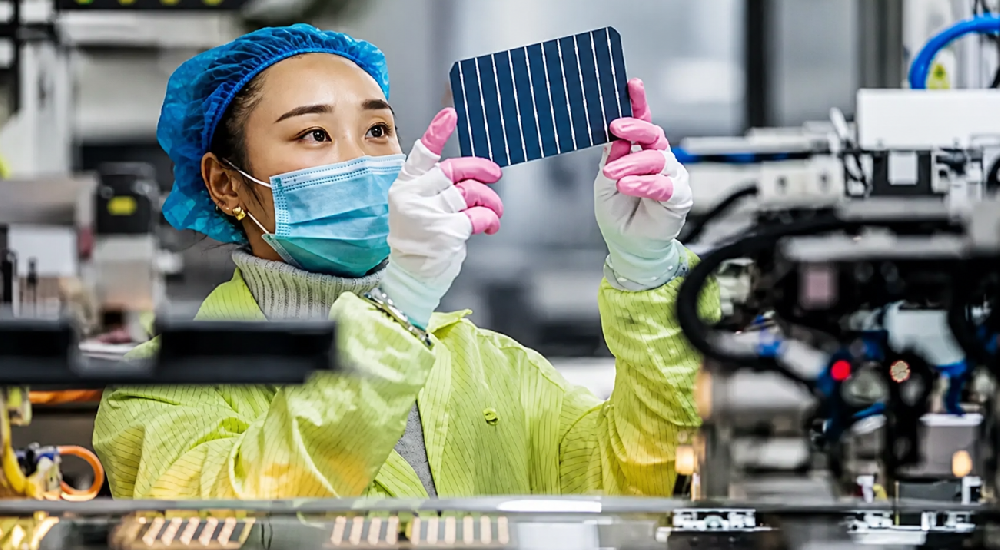
China has emerged as the dominant force in this transition. It currently produces around 80% of the world’s solar panels, 85% of solar cells, 88% of polysilicon, and 97% of wafers—effectively controlling the entire photovoltaic supply chain. At the same time, China is also the largest end-market, installing solar capacity at a pace that far exceeds any other country.
This leadership is driven by a combination of systemic advantages: lower capital costs, faster regulatory processes, a highly integrated supply chain, large-scale manufacturing capabilities, and strong domestic demand. Rather than relying on isolated breakthroughs, China’s strength lies in coordinated industrial development.
In contrast, Western countries face a structural dilemma. While the U.S. and Europe are pushing aggressive decarbonization goals, their domestic manufacturing capacity remains limited, making them reliant on Chinese supply chains. Efforts to rebuild local industries through tariffs and subsidies have had limited impact, as China’s global market share continues to grow.
As Harvard professor Graham Allison notes, the uncomfortable reality for the West is that achieving a green transition will likely require cooperation with China. Climate change is a global challenge, and unilateral strategies are unlikely to succeed.
Ultimately, the rise of solar energy represents more than a shift in energy sources—it signals a broader realignment of global industrial power. Today, that advantage clearly lies with China.